CPD provision takes several forms, and often a combination is the most memorable learning experience.
I have experience of lecturing at undergraduate and post graduate level nationally and internationally. This style of teaching is suitable for groups of ten or more delegates typically, and can be instructional (how to do this….) or inspirational (how can we get the most out of…) but is also useful as part of a day including a variety of teaching styles (e.g. Q&A, case discussions, wet or dry labs). The lecture content is adapted to the needs and experiences of the delegates: for some, case selection and surgical options is appropriate, for others a walk through of a surgical technique, and for some a revision of the surgery focussing on learning points to improve outcomes and efficiency.
Case discussions are a great addition or alternative to formal lectures. I have a large archive of material to draw from and illustrate clinical problems. This is a great way to engage smaller groups (5-15) or with voting technology larger numbers. However, experience suggests that case reports are better interspersed with other CPD styles during the day, rather than being the only approach.
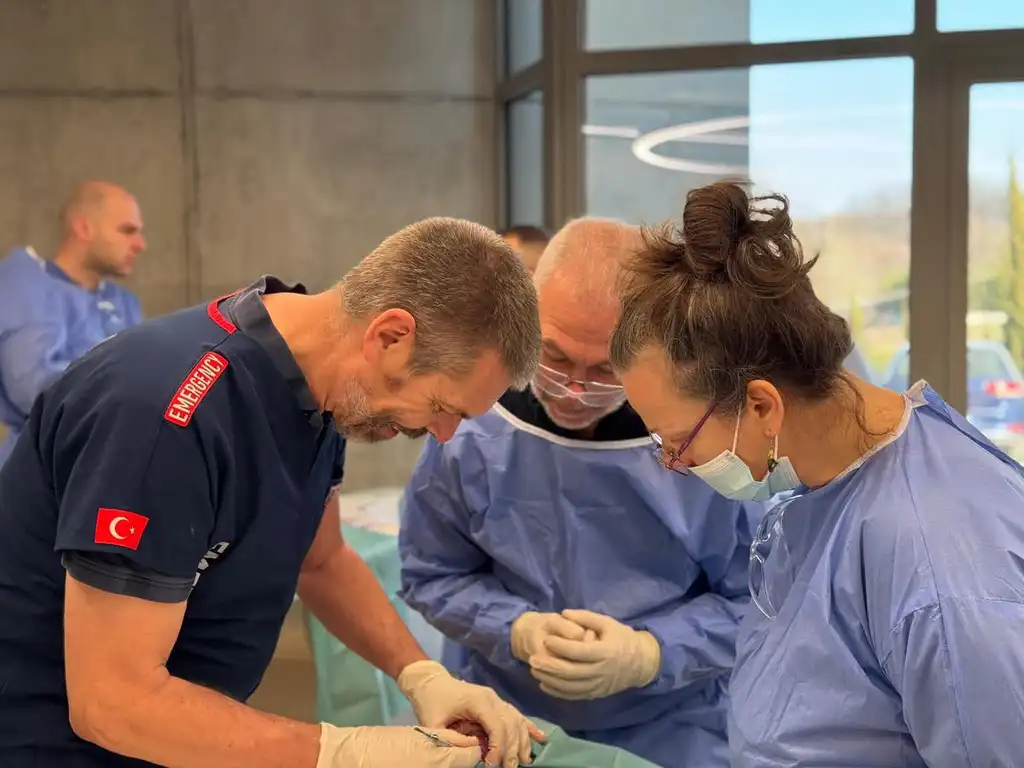
Both dry and wet labs are popular with delegates. Dry labs use non biological materials (commercially available simulators or improvised materials) to practise tasks (suturing is very popular with nurses and new graduates, intestinal anastomosis for others). Wet labs use ethically sourced biological material. Although popular, organising these sessions is particularly difficult and needs a great deal of organisation (and usually expense, even if sponsorship is possible).
Cost of CPD provision is by agreement.
Gallery
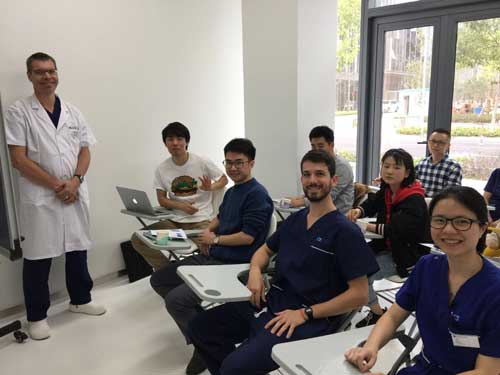
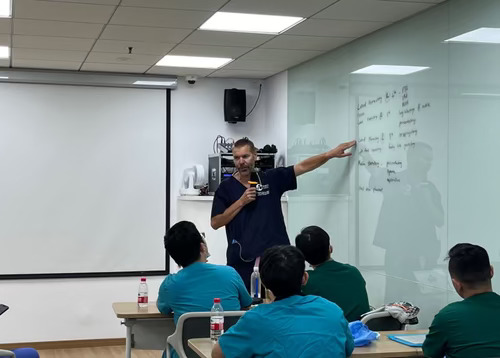
Small group teaching in Shanghai in 2018
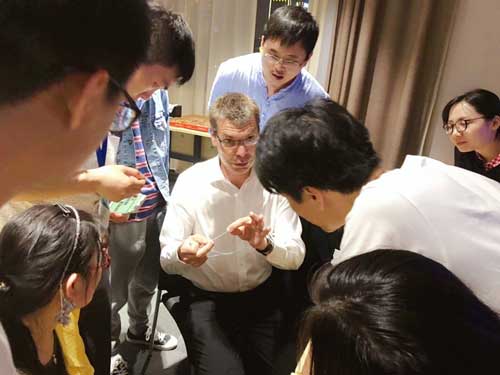
Interactive session during a lecture day in Shanghai in 2019
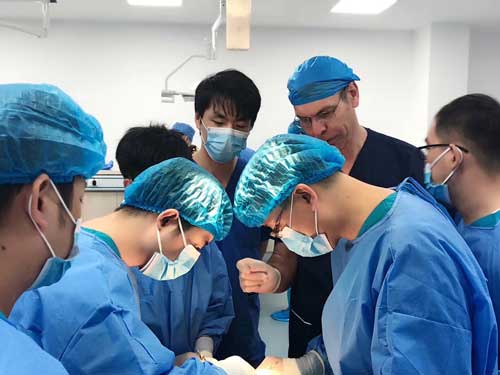
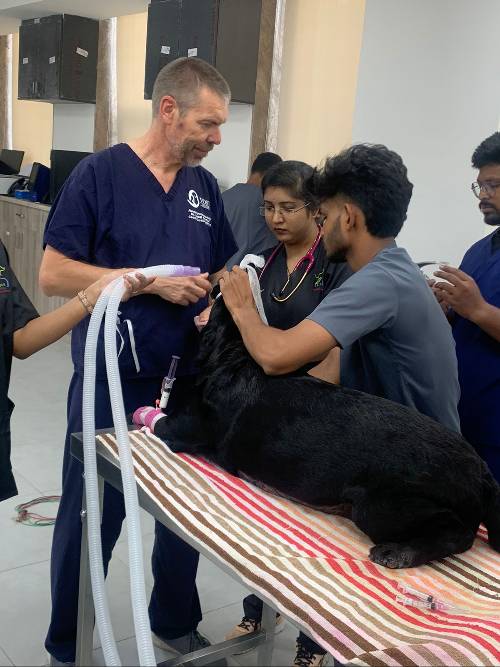
Supervising a wet lab day in 2020
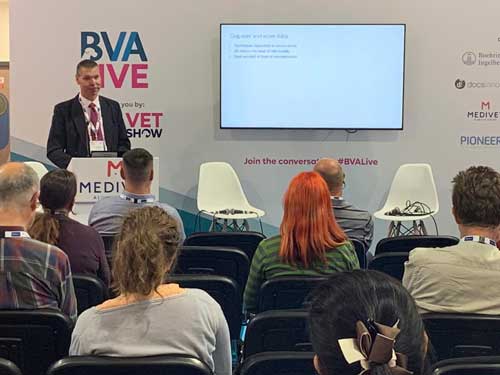
Speaking at BVA-Live, Birmingham 2022
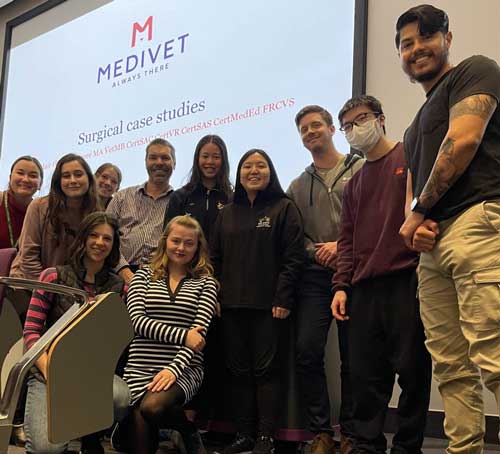
Teaching vet students at the Royal Veterinary College (London) in 2023
Teaching in China on Chinese Teachers’ Day September 2023.
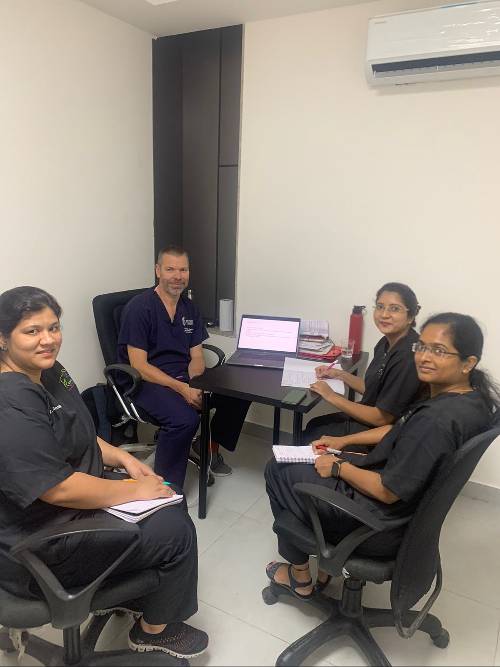
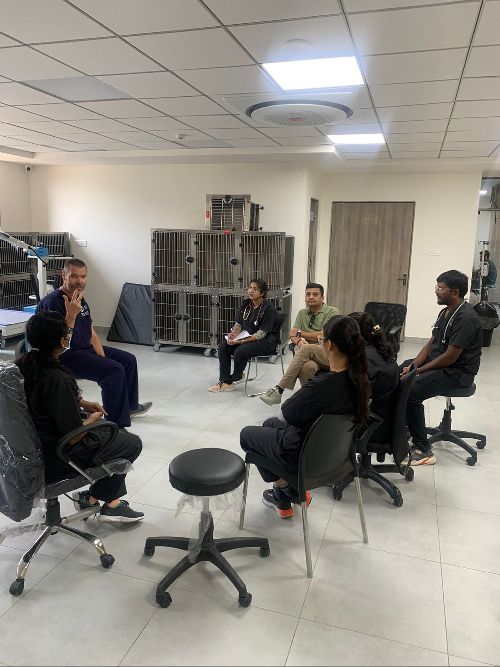
Teaching at Seven Oaks Pet Hospital in Hyderabad, India, May 2024
Teaching at Seven Oaks Pet Hospital in Hyderabad, India, May 2024
Teaching at Seven Oaks Pet Hospital in Hyderabad, India, May 2024
Wet lab teaching in Albania 2025
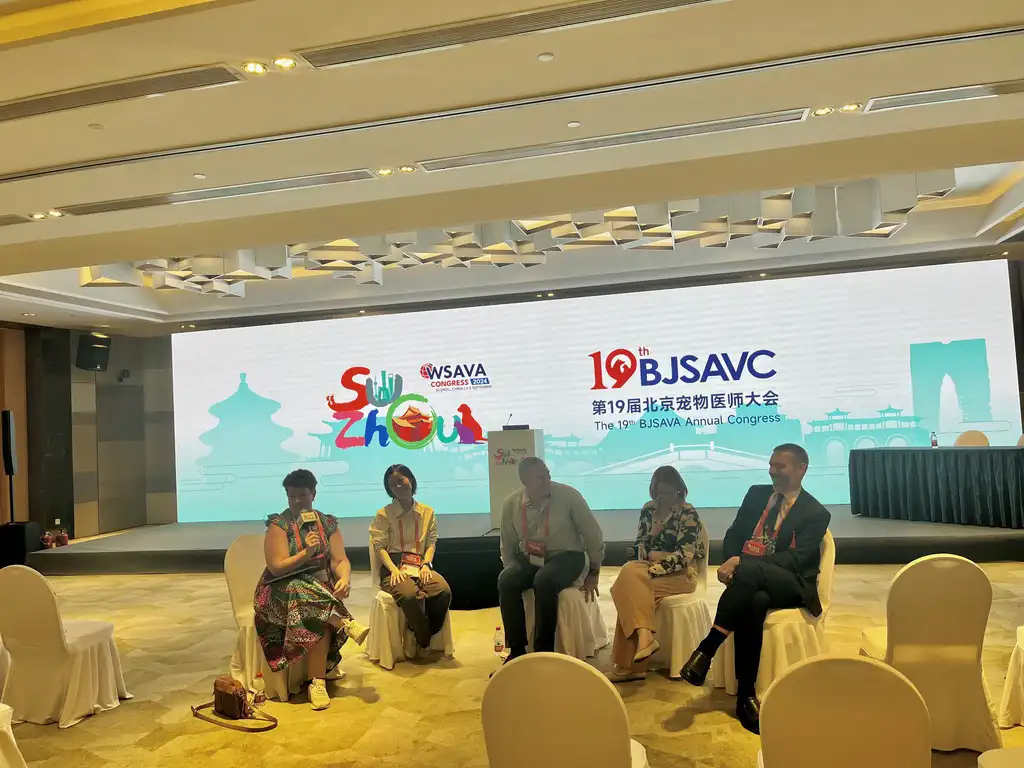
Discussion panel, WSAVA China 2024
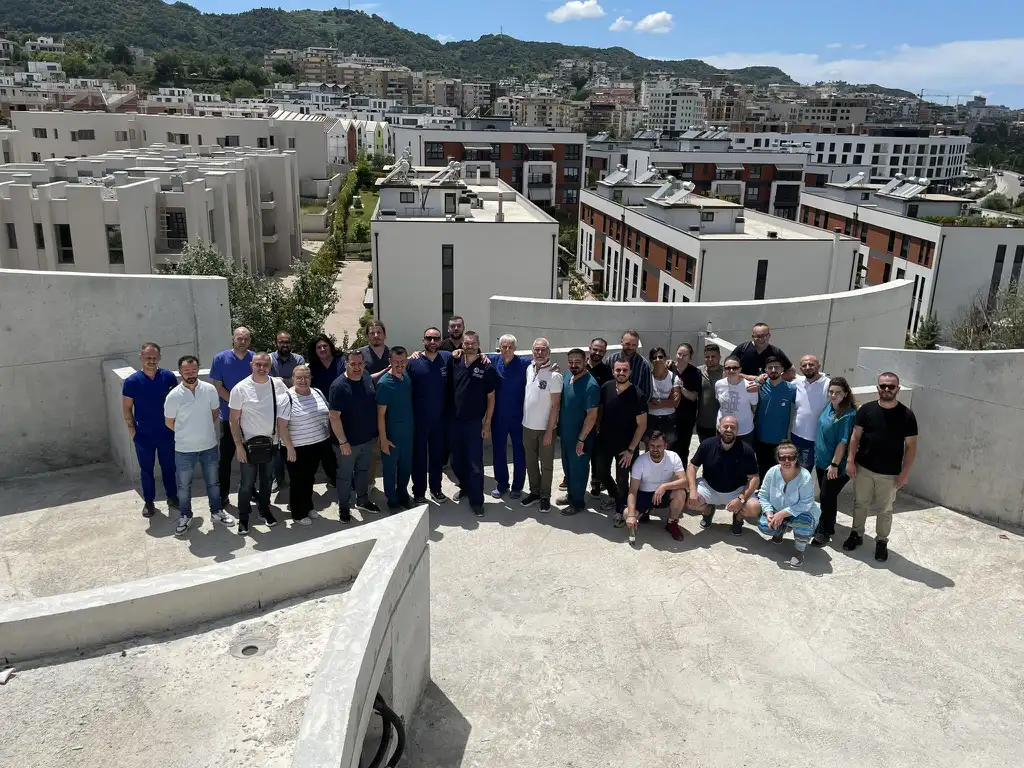
Albanian Small Animal Veterinary Association, June 2024